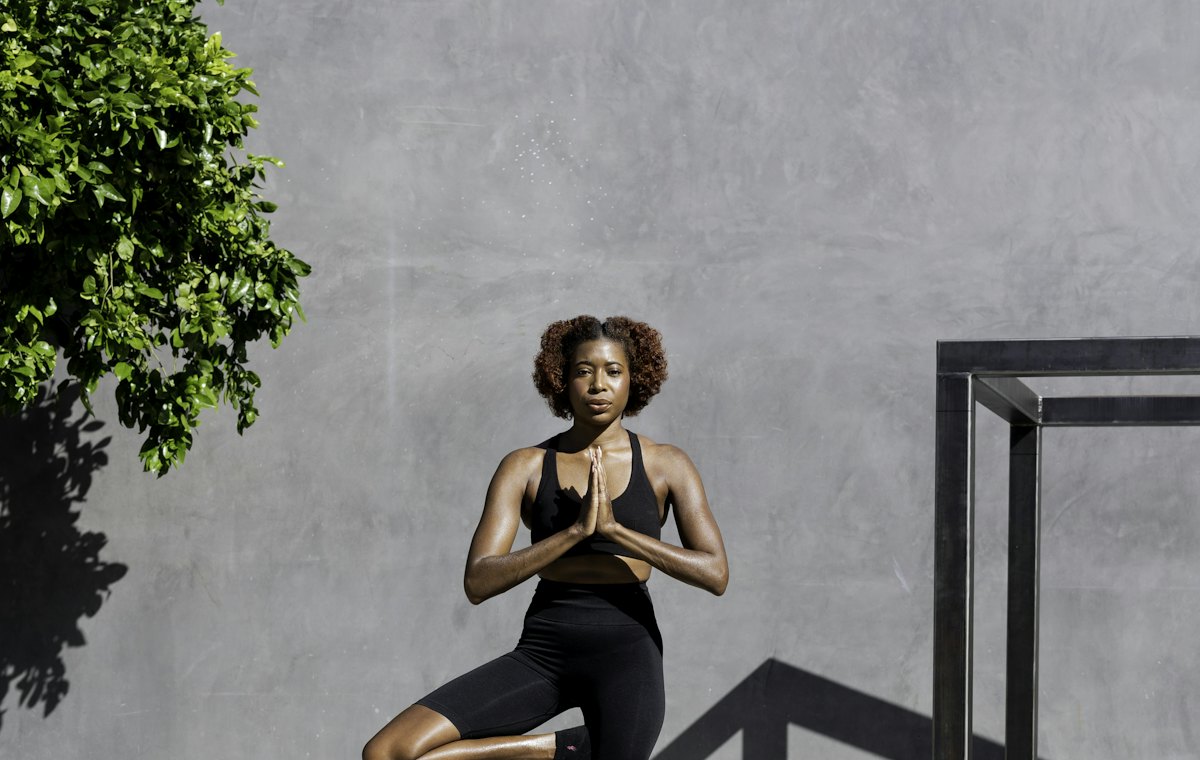
Yoga leans toward flexibility, balance and calm. Pilates leans toward core strength, posture and controlled muscle tone, with flexibility built in. If you want to get stronger and stand taller while you loosen up, reformer Pilates is the better fit. Plenty of people do both.
Where Pilates and yoga came from
Yoga is thousands of years old and grew out of a practice that joins movement, breath and meditation. Pilates is about a century old. Joseph Pilates built it as a system of controlled exercises to rebuild strength, and he designed the reformer, a sliding carriage with springs, to add resistance and support.
That history still shows. Yoga classes usually flow through held poses with a focus on breath. Pilates classes, especially on the reformer, are built around precise strength work for the deep core, hips, back and shoulders.
The real differences
| Reformer Pilates | Yoga | |
|---|---|---|
| Main goal | Core strength, posture, muscle tone | Flexibility, balance, mind and body |
| Equipment | Reformer with springs for resistance | Mat, sometimes blocks and straps |
| Flexibility | Built in, under control and with support | Central focus |
| Strength | Central focus, full body | Mostly bodyweight |
| Impact | Low | Low |
| Good for beginners? | Yes, with coaching | Yes, in beginner classes |
Strength
This is the biggest gap. The reformer's springs give you adjustable resistance, so every move can be made lighter or heavier. That's how Pilates builds lean, toned muscle without heavy weights or jumping.
Flexibility
Yoga gets the credit, but Pilates stretches too. On the reformer you lengthen muscles while they work, which builds flexibility you can actually use: bending, reaching, getting up off the floor.
Posture and core
Pilates was built for this. Almost every exercise asks your deep core and back to hold you in good alignment. Clients usually notice they stand taller first, before anything else changes.
Your first 8 classes at Pilates My Way are $120, good for 21 days. Start with Slow Burn Foundations and we teach you everything.
Which one should you pick?
- Pick reformer Pilates if you want to get stronger, improve posture, tone up, or protect a back that's tired of sitting.
- Pick yoga if your top goal is flexibility, stress relief or a meditative practice.
- Do both if you can. They complement each other well.
If you like the idea of a calmer session, our Candlelight Restore evenings slow everything down and focus on stretch and release, while still using the reformer.
Trying reformer Pilates in Fredericksburg
Pilates My Way is a boutique reformer studio at Four Mile Fork, minutes from downtown Fredericksburg, Spotsylvania and southern Stafford. Every new client starts in Slow Burn Foundations, where an instructor teaches you the reformer step by step. When you're ready, Level Up builds more strength and endurance.
Frequently asked questions
Is Pilates or yoga better for weight loss?
Neither is a fast fat burner on its own. Reformer Pilates builds lean muscle and tone, which changes how you look and feel. For weight loss, pair it with walking and good food.
Is Pilates or yoga better for back pain?
Many people find Pilates helpful because it strengthens the deep core and back muscles that support the spine. If you have a diagnosed condition, check with your doctor or physical therapist first.
Can I do Pilates and yoga in the same week?
Yes. Many of our clients do. Two or three reformer classes plus yoga is a strong mix.
Do I need to be flexible to start Pilates?
No. Flexibility is something Pilates builds. Every move can be adjusted to where you are today.
Feel the difference for yourself.
Your first 8 reformer classes are $120. That's $15 a class to find out what slow, controlled strength does for your body.
★★★★★ 5.0 from 52 Google reviews · Army veteran-owned · 10827 Courthouse Rd, Fredericksburg, VA 22408 · (540) 274-2377